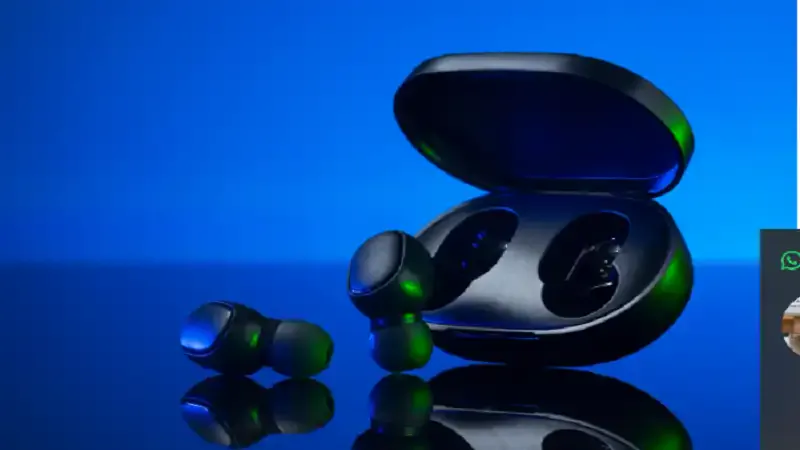
The rapid advancement of technology in audio devices has brought about a seismic shift in how we experience sound daily. Among these innovations, the emergence of wireless earbuds stands out as a revolutionary development in personal audio technology. These compact devices have transcended traditional listening methods, seamlessly integrating into the modern lifestyle without the clutter of wires. As they become more prevalent, understanding their evolution, functionality, and the technology behind them is crucial.
A Historical Perspective
Previously, wired headphones or earbuds were the standard, offering a direct and reliable connection to audio devices. However, the constant tangle of wires and the limitations it imposed led to a demand for innovation. The concept of wireless audio first emerged in the late 1990s, but it was not until the adoption of Bluetooth technology in the early 2000s that wireless earbuds began to gain traction.
Bluetooth technology allowed for the transmission of high-quality audio signals without the need for physical connectors. As technology developed, the quality of wireless audio improved dramatically, matching and, in many instances, surpassing traditional wired audio solutions.
Key Features and Technological Advances
Wireless earbuds are imbued with a range of high-tech features that enhance user experience. The absence of wires provides unparalleled convenience, but the technological enhancements within each bud set these devices apart. Modern earbuds often boast noise cancellation, allowing users to immerse themselves in audio content without the intrusion of external noise.
Furthermore, advancements in battery technology have extended playback times significantly, ensuring that listeners can enjoy music, podcasts, and calls for multiple hours on a single charge. Many models also feature quick-charge capabilities, offering hours of listening with just a few minutes of charging.
Audio Quality
One of the primary concerns early on in the development of wireless audio was the potential compromise in sound quality. However, steady improvements in Bluetooth codecs have allayed these fears. Codec developments like AAC, aptX, and LDAC have contributed to delivering near-lossless audio quality over wireless connections.
Moreover, earbuds are now often equipped with customisable sound profiles, enabling users to tailor the audio output to their preferred listening style. This focus on personalisation is a significant step forward, allowing each user to optimise their experience.
Integration with Smart Devices
Another key aspect that sets wireless earbuds apart is their integration with smart technology and digital assistants. Whether activating voice search or commanding home smart devices, these earbuds are now fully integrated into the digital ecosystem.
This connectivity is driven by the multifunctional touch-sensitive surfaces on the earbuds, allowing users to control audio playback, answer calls, and interact with virtual assistants with simple taps or swipes. As smart technology continues to evolve, the interface between earbuds and devices is expected to become even more seamless.
Fitness and Health Monitoring
The addition of health and fitness monitoring features in wireless earbuds marks another frontier in their utility. Many models now include sensors that track aspects like heart rate, calories burnt, and even posture, providing a dual function of both entertainment and wellness.
This health-centric approach is not just a trend but rather a reflection of the growing demand for technology that cross-cuts lifestyle and health, offering users a comprehensive tool in a single device.
Challenges and Considerations
Despite their many advantages, wireless earbuds come with their own set of challenges. Battery life, albeit improved, is still limited compared to that of wired alternatives. Durability can also be a concern, as these devices are often exposed to various environmental factors, from sweat during workouts to accidental submersions.
Additionally, the small size of earbuds increases the risk of misplacement or loss, necessitating features such as tracking capabilities that some manufacturers have started to integrate.
Future Prospects
Looking ahead, the future of wireless earbuds is poised to be even more transformative. With ongoing advancements in battery technology, we can anticipate earbuds that offer continuous playback for days rather than hours. Innovations in miniaturisation could lead to even more compact designs without sacrificing functionality or sound quality.
Moreover, the introduction of augmented reality audio, where the environment around the listener influences sound production, could provide a completely immersive listening experience.
Final Thoughts
As this technology evolves, wireless earbuds will likely become even more embedded in daily life, offering functionalities that extend beyond audio into realms that have yet to be fully explored. For a comprehensive range of options, the collection of wireless earbuds available at JBL Open Ear showcases the latest in design and technology, promising an expansive auditory experience for all users. See more